9 High-Impact Affiliate Marketing Strategies for More Sales in 2026
Boost your affiliate revenue with these nine affiliate marketing strategies that helped some brands achieve a 1,400% ROI. Learn how to find high-quality affiliates, onboarding, and more.

Affiliate marketing can have massive upside and little downside, with some sources claiming that it can have an ROI of up to $15 for every $1 spent (a 1400% return)!
Of course, not every brand is so lucky. But success leaves clues.
So what do all the top brands have in common?
This list of nine high-impact affiliate marketing strategies shares what the most successful brands are using, so you can emulate them and earn more from your affiliate program. The strategies below aren't just for starting out - they are the operational playbooks used by high-volume networks to stay ahead of the herd and ensure no blind spots in their revenue data.
I’ve learned these strategies from working with dozens of brands and being a successful six-figure affiliate marketer myself. Let’s dive in!
1. Create a High-Value Affiliate Offer
If your offer sucks, affiliates won’t bother promoting it. They want the same thing you do—to maximize earnings. Offering an email API as part of your affiliate toolkit can help streamline communication and ensure affiliates are reaching their audience effectively. It pays to offer strong financial incentives that make promoting your product a no-brainer.
It’s simple: offer generous payouts and long-term earning potential to attract dedicated affiliates.
Here are a few tips to create a high-value affiliate offer:
- Reward Repeat Buyers – Offer higher commissions for affiliates who bring in customers who make multiple purchases. This incentivizes affiliates to target high-quality leads rather than just one-time buyers.
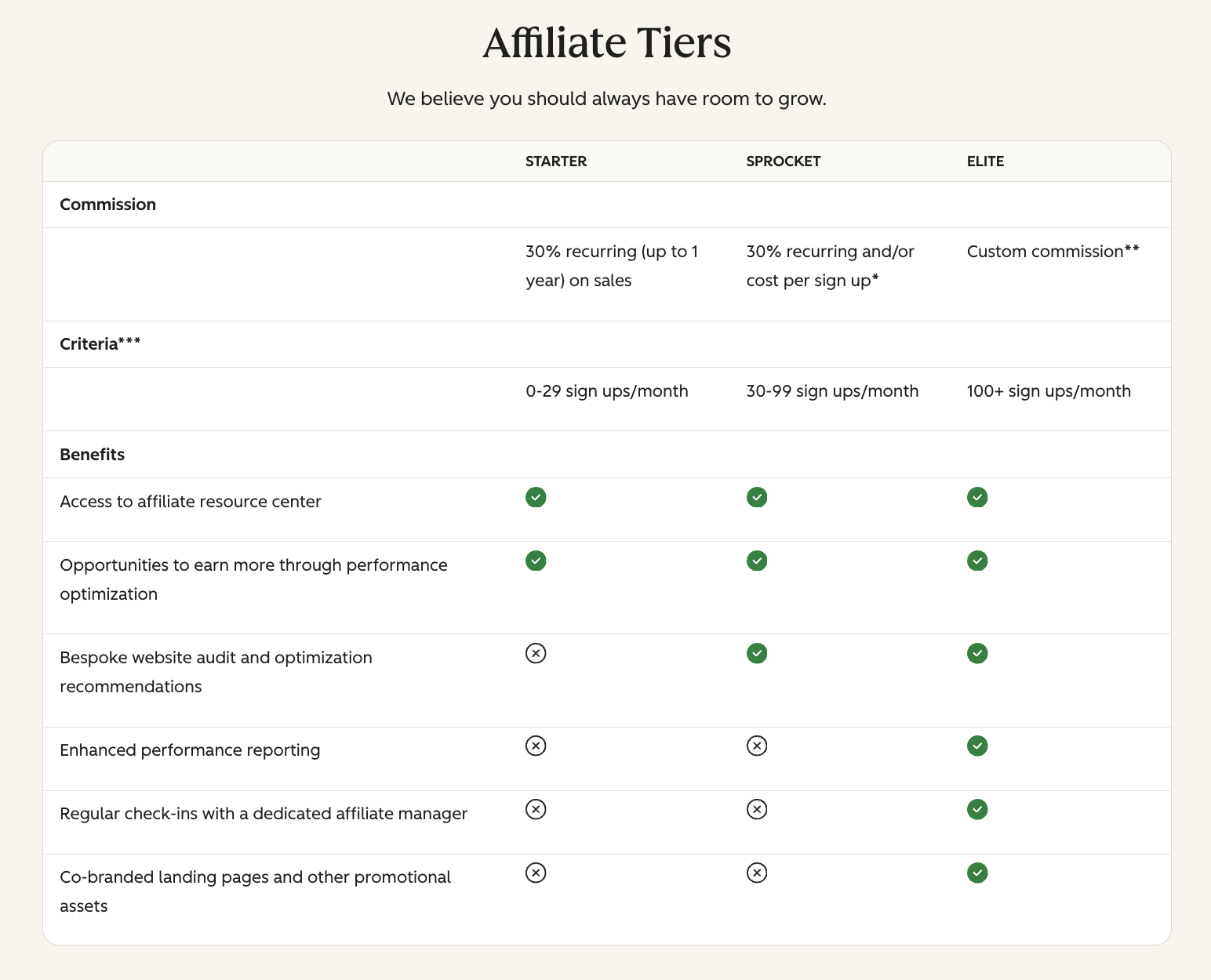
- Implement a Tiered Commission Structure – Gamify your program by increasing commission rates for top performers. For example, affiliates who generate $10,000 in monthly sales could earn a higher percentage than those making $1,000. This motivates affiliates to scale their efforts. For example, here’s how HubSpot tiers their affiliate program:
- Provide Recurring Commissions – If your product is subscription-based, offer ongoing commissions for as long as the customer remains active. This ensures affiliates continue to earn even after the initial sale, making your program more attractive and incentivizing affiliates to keep customers subscribed. SAP BRIM can support this by automating billing for subscription-based products, ensuring accurate tracking of customer subscriptions.
Trackdesk Tip: Use automated tier structures to handle complex commission setups without the manual headache. Build a system that scales with your partners' success, offering revenue-aligned incentives that keep your leading performers loyal.
You can implement each of these strategies easily with Trackdesk.
2. Nail Your Affiliate Onboarding & Training
It’s not enough to create an affiliate program and cross your fingers. The highest ROI is unlocked by onboarding your affiliates into your program and educating them on your product(s).
In other words—the better you train and support your affiliates, the more revenue you’ll both make.
Here’s how:
- Create a Video Training Series – Walk affiliates through the most effective promotion tactics, such as SEO, paid ads, email marketing, and social media strategies. Keep it simple, engaging, and easy to implement. You can use Loom to record your screen.
- Provide Marketing Assets – Give affiliates everything they need to start promoting immediately, like pre-written email copy, high-converting social media posts, and professionally designed ad creatives. Design the post graphics in proper social media sizes. Canva has pre-made templates that can be easily edited to create marketing assets.
- Host Monthly Strategy Calls – Keep affiliates engaged by offering ongoing support through live Q&A sessions, strategy discussions, and success-sharing calls. This builds community, encourages collaboration, and keeps them motivated.
The best affiliate programs also have a dedicated affiliate account manager to oversee your affiliates, answer their questions, and ensure their success.
As a Trackdesk user, you get free access to our Partnership Manager Marketplace, where you can connect with over 500 qualified affiliate account managers for free. 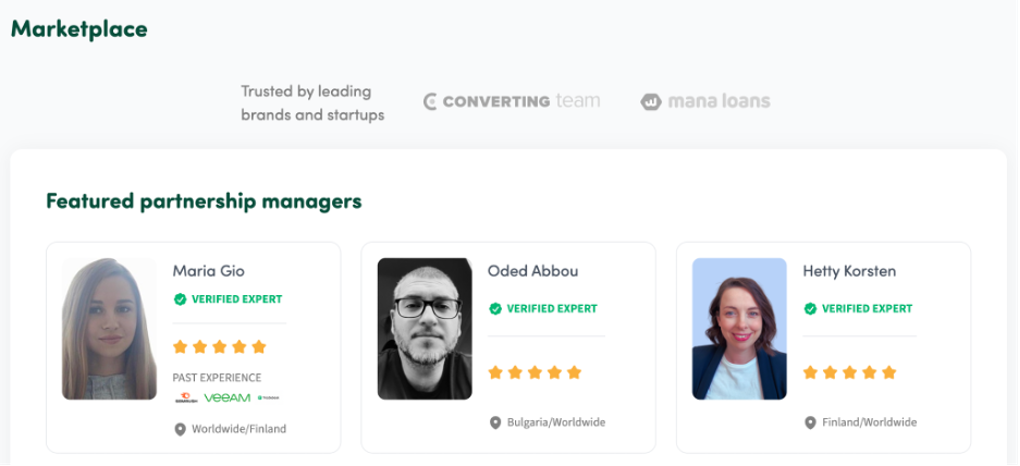
3. Scale Your Affiliate Program Without The Tracking Drama
You cannot grow a revenue engine on fragile software. Trackdesk is a reliable solution, built for teams that scale.
Built by marketers for marketers, it has everything you need to build a thriving affiliate program: stability, uptime, and enterprise-grade capabilities. Our infrastructure is designed to see every click, measure performance, pay affiliates accurately, and make data-driven decisions. Trackdesk misses nothing, ensuring 100% attribution reliability.
Enter: Trackdesk.
With Trackdesk, you get:
- Enterprise-Grade Tracking – Features like custom cookie duration, device targeting, offline tracking, server-to-server tracking, redirect tracking, and more. Handle millions of clicks and vast multi-geo campaigns without complexity.
- Seamless Integration – Easily connect e-commerce websites, payment gateways, marketing tools, and more.
- Ease of Use – User-friendly customizable dashboards, drag-and-drop functionality, and clear navigation menus. (I’ve used a lot of affiliate software, and it really is one of the easiest-to-use dashboards out there.)
- Transparent Pricing – No hidden costs or unexpected fees. Everything is laid out right on the pricing page.
- Real-Time Analytics – Up-to-the-minute data on affiliate performance, campaign effectiveness, and customer behavior.
- Streamlined Affiliate Management – Everything from onboarding new affiliates to tracking performance and issuing payouts is streamlined for efficiency. We don't just collect data - we use it.
- Excellent Customer Support – We offer round-the-clock customer support so you never go without help, day or night.
Trackdesk provides the power enterprises need without the overhead they hate. But don’t take my word for it—you can try it for free and decide for yourself.
4. Turn Your Existing Customers Into Affiliates
If someone bought your product and likes it, they’d probably love to make some money promoting it for you. That’s where referral programs come in.
Referral-based affiliate marketing turns happy customers into brand advocates by incentivizing them to share your product with others.
Brands like Dropbox and Uber capitalized on referral programs that rewarded both the referrer and the new customer.
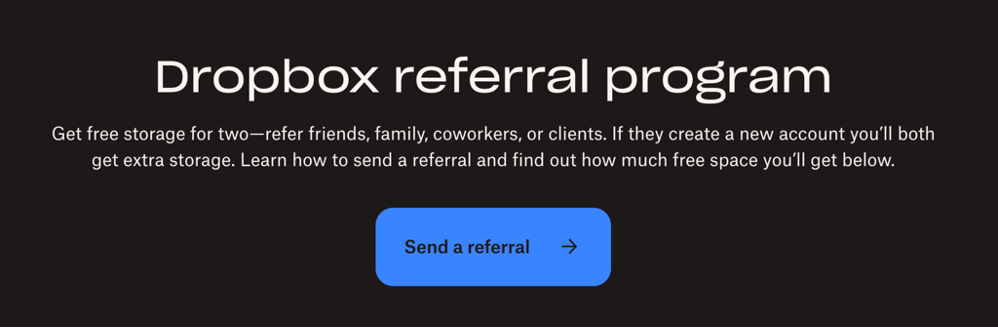
By making it easy for customers to become affiliates, you tap into a warm network of potential buyers who are more likely to convert. It’s a no-brainer.
5. Leverage Micro-Affiliates
Bigger isn’t always better when it comes to affiliates.
Micro-affiliates (i.e. accounts with 1,000 to 100,000 followers) often drive higher conversions than bigger accounts because they have highly engaged, loyal audiences who trust their recommendations.
For example, my friend Allison started climbing a tree every day on her mental health journey and shared her experience every single day on Instagram.
The result?
She’s now grown her account to more than 206,000 followers and her posts average over 100 comments and 3,000 likes.
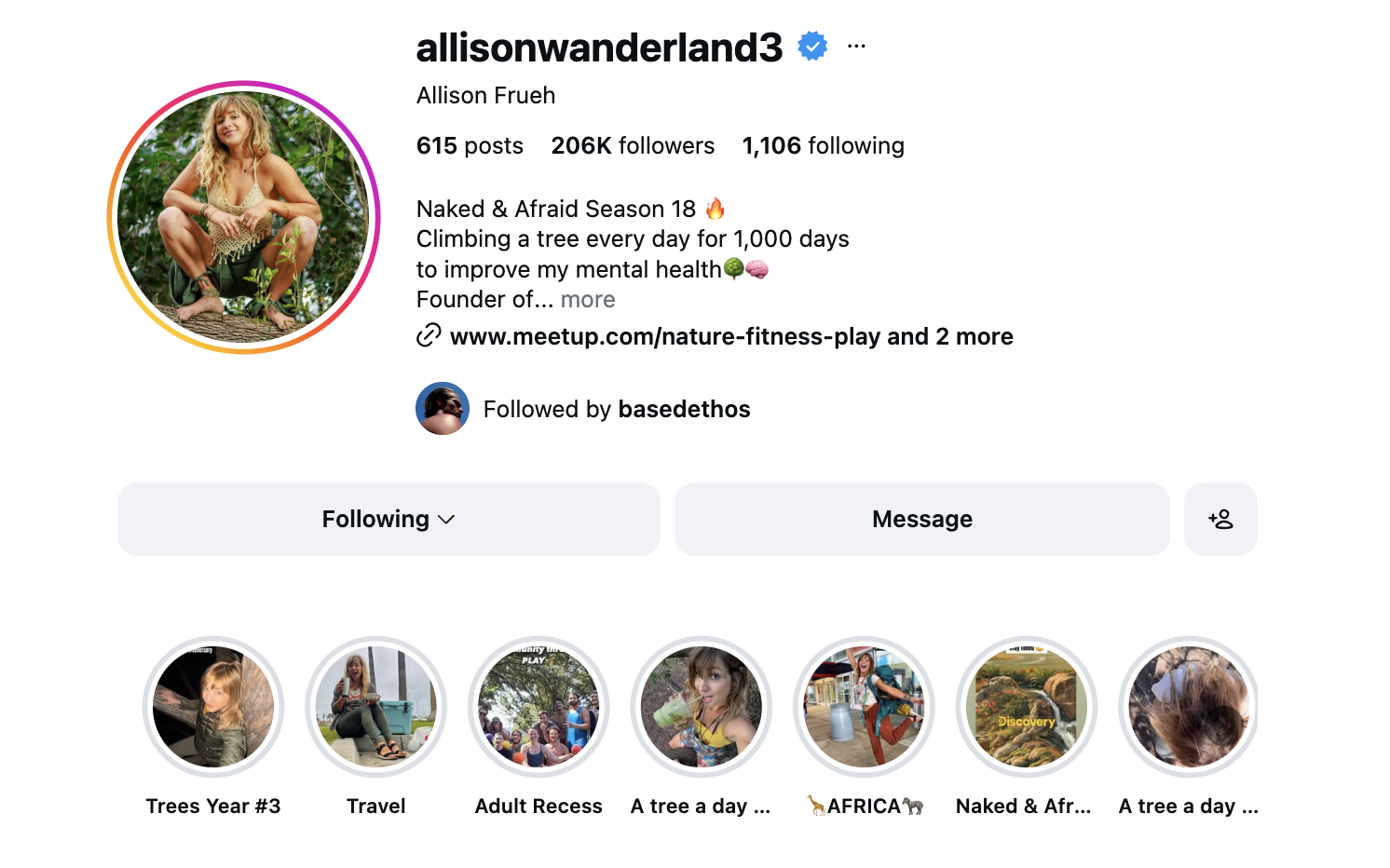
Thanks to her fantastic engagement, she would make an excellent affiliate for mental health and outdoor brands.
So how do you find accounts like hers?
To begin your hunt, search niche-related hashtags and look for creators with 5K–100K followers and high engagement rates. You can use tools like TikTok’s Creator Marketplace to filter creators by engagement rate rather than just follower count. In 2026, “clout” matters less than community - look for comment sections that are actual conversations, not just bot emojis.
Try out SparkToro, HypeAuditor, or similar platforms to find creators and check their engagement rates automatically.
The challenge with micro-affiliates is volume. Managing 50 partners is easy - managing 5,000 requires a smarter species of tracking. Use automation to handle the busy work of onboarding and payouts so you can maintain a massive army of partners with a lean team.
6. Run Seasonal & Limited-Time Affiliate Campaigns
One of the issues with having an all-the-time affiliate offer is that there’s no sense of urgency or excitement around it.
Think about it—if something is always available, why prioritize it right now? Why not wait?
This is true for both your affiliates and your customers. By running seasonal or limited-time offers, you give affiliates a reason to push harder to promote something, and customers a reason to buy now.
For example, you can run holiday campaigns like Black Friday and give affiliates a higher commission during that time.
It doesn’t have to be during a holiday, either. You can offer a limited-time discount or affiliate bonus at any time during the year if you want to boost sales. For example, create a custom offer specifically for SuperBowl, Prime Day, or even 'Q4 Sprints' to capture end-of-year budget spend.
For example, in Trackdesk you can create a custom offer specifically for Black Friday (or any other campaign) and set special rates for a set duration.
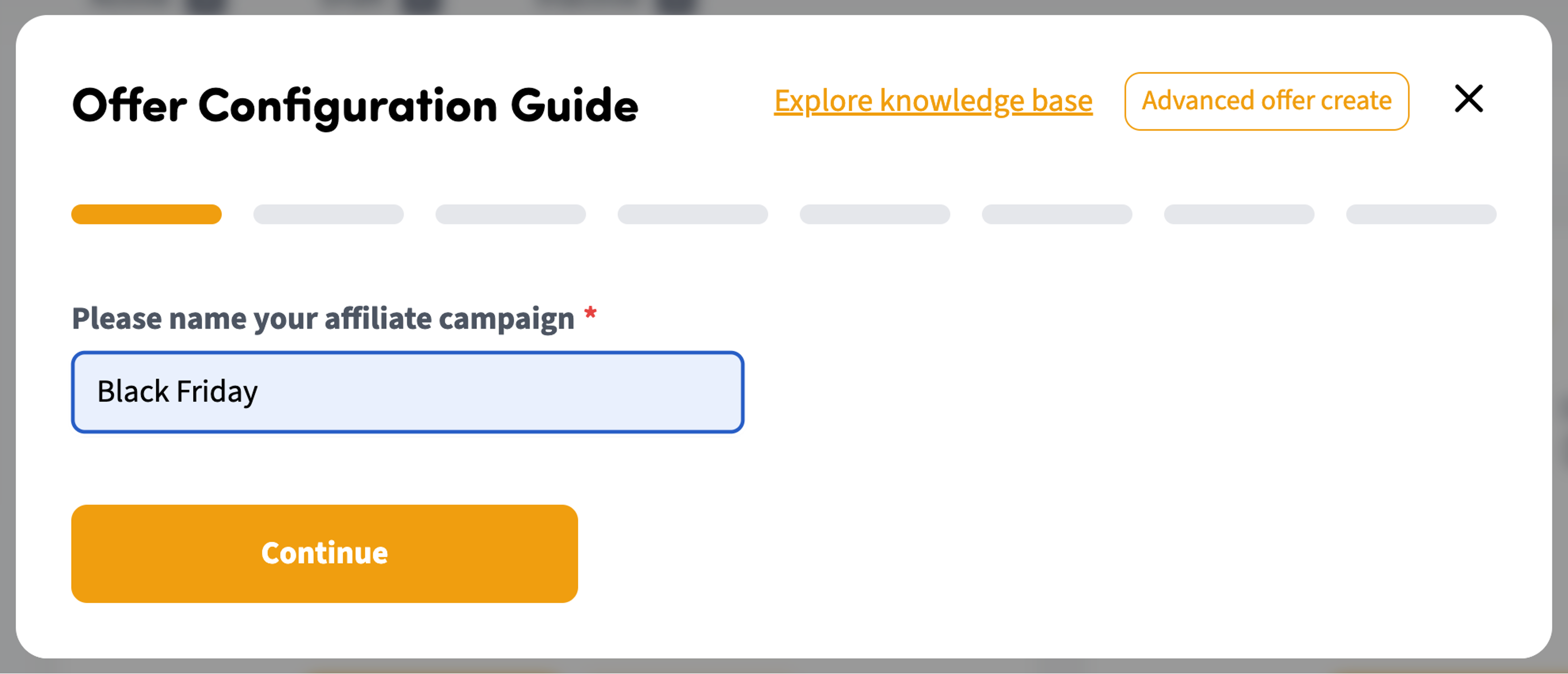
Trackdesk Tip: When traffic spikes during such events, downtime is not an option. You need a solution that is built to stay steady at speed. Ensure your tracking provider can handle the load of a viral seasonal campaign without crashing your attribution.
7. Build a Community Around Your Affiliates
Many affiliates are solopreneurs or influencers who mostly work alone. As smart and capable as we are, doing everything alone can be difficult.
That’s where community comes in.
While it can be a bit advanced and time-consuming, a well-maintained Facebook/Telegram/WhatsApp group or Slack/Discord channel for your affiliates gives them support and encouragement to grow together. Within the group, you can highlight your most successful affiliates and share what worked for them, so your other affiliates can see what’s possible and learn from it.
You can also use the community to gamify your program by creating a leaderboard for affiliates and offering bonuses for those who rise to the top. Gamification works well to motivate your affiliates.
8. The Reality of Affiliate Recruitment
The "build it and affiliates will come" mentality doesn’t work in 2026. To truly scale, you need to operationalize visibility through two distinct channels: Active Outreach (you finding them) and Inbound Discovery (them finding you). Here is how to master both approaches.
Inbound Discovery: Them Finding You
The best affiliates aren’t going to sign up just because you made a program—they have to know it exists. And for them to know it exists, you need to get it in front of them.
Here’s how to promote your affiliate program:
- Google “[niche] best affiliate programs”, then reach out to all the blogs ranking well for that keyword and ask them to include your program.
- Go on affiliate marketing forums like r/Affiliatemarketing and promote your program to its members.
- Post about your program to your social media followers and send it to your email list.
- Join programs and networks that connect affiliates with brands, like Subhustler or Awin.
- Create a video ad for your program, enhance it with AI voice generators, and promote it on Meta.
- Reach out to podcasts that affiliate marketers listen to, like Authority Hacker or Niche Pursuits, and ask to be a guest.
- Go to events like the Affiliate Summit to network and promote your program. Word of mouth and personal connections often convert better than faceless digital interactions. Partnering with an event agency can help you identify the best networking opportunities and maximize your event presence.
Active Outreach: You Finding Them
This is the "hunter" strategy. It requires time and research, but it usually yields the highest quality partners because you are hand-picking them based on fit.
How to perform well:
- Competitor Backlink Analysis: Use SEO tools (like Ahrefs or Semrush) to see who is linking to your competitors. If a blog is reviewing your competitor's product - they are already in your niche. They are a low-hanging fruit for a short pitch.
- Target the "Micro-Influencer": Don't just aim for the biggest names. Look for creators with 10k–50k followers who have high engagement. They are often more accessible and open to new monetization opportunities than the giants.
- Product Seeding: Before asking for a sale, give value. Offer free access to your product or service with no strings attached. If they genuinely like it, the partnership negotiation becomes significantly easier.
- Hyper-Personalized Outreach: Cold emailing is a numbers game, but you can rig the odds.
- Bad option: "Join our program, we offer 20%."
- Good option: "I saw your video on [Topic]. I loved how you explained [Specific Point]. We have a product that solves [Problem] for that exact audience, and I’d love to offer you a custom commission rate to test it out."
Trackdesk Tip: Treat your outreach like a sales pipeline. Use a CRM to track who you’ve contacted, who opened your email, and who needs a follow-up.
9. Is It Time To Use AI To The Fullest?
In 2025, we used AI to write emails. In 2026, we use AI to run the entire research process. Instead of manually vetting blogs, you can now use tools with Deep Research capabilities (like ChatGPT, Gemini, Claude, or Perplexity) to build detailed prospect lists in minutes.
Enterprises don't waste time on manual research. They use AI Agents connected to live data (via MCP) to map the market instantly. This isn't just a tool - it's a smarter breed of recruitment that allows one manager to do the work of ten.
For example, by using the Ahrefs MCP (Model Context Protocol), you can give your AI agent direct access to Ahrefs' database.
This allows you to give a single command like: "Find 20 blogs in the 'sustainable coffee' niche that have a Domain Rating of 30+, at least 1,000 organic monthly visitors, and have published content about 'best coffee beans' in the last 6 months." The agent will verify the traffic and backlinks in real-time and hand you a qualified list, saving you dozens of hours of manual vetting.
I asked it to help me come up with a list of influencers to help me promote my Skool group called the ADHD Entrepreneur’s Playground. Here’s some of what it came up with for me:
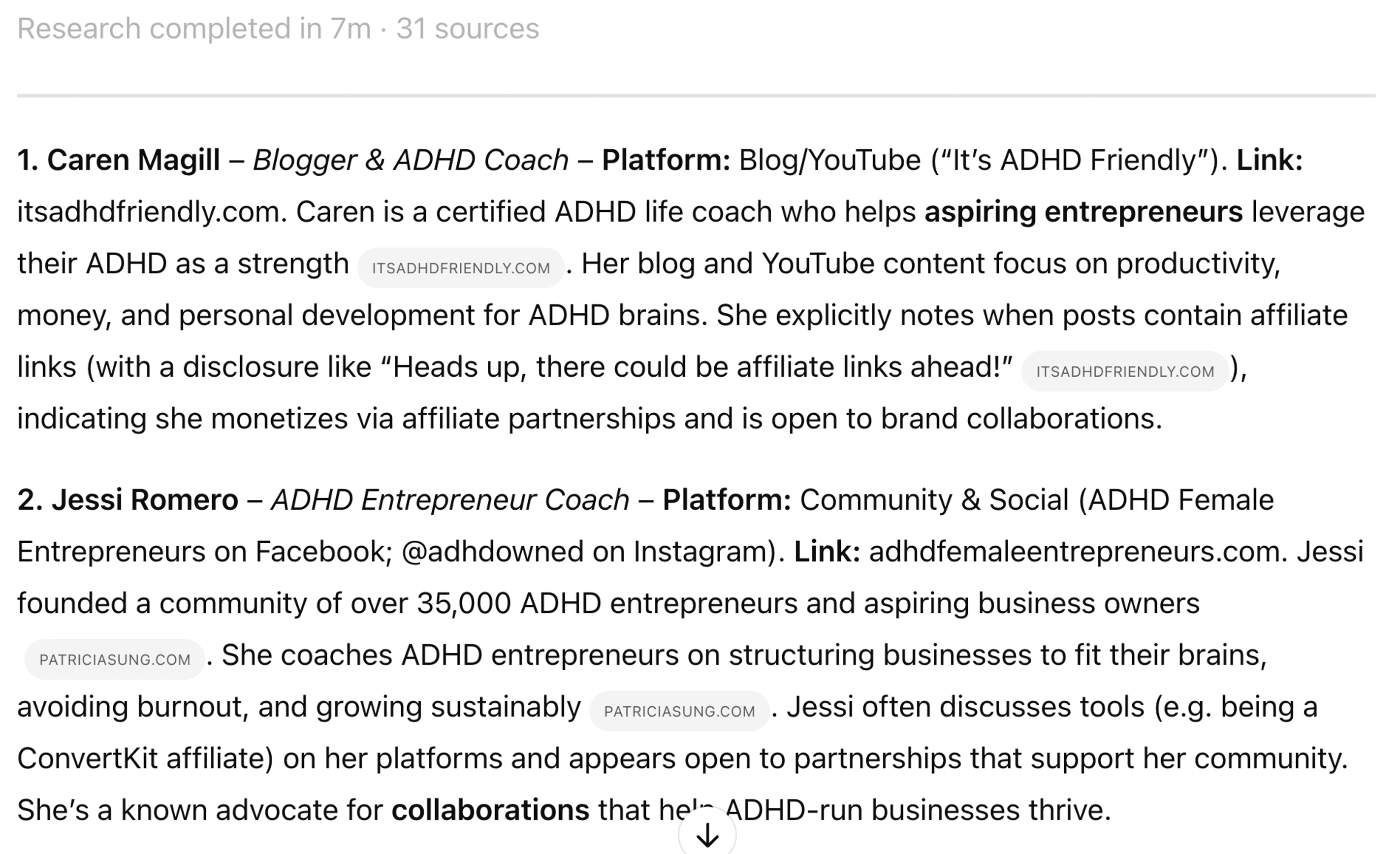
You can see the full chat here if you’re interested in seeing the entire process.
*Don’t have ChatGPT Plus? That’s OK—you can get 80% of the way there with their free version. You may need to prompt it a bit better and do some back and forth, though. This Ahrefs article outlines the process well.
10. Design A Killer Affiliate Program Landing Page
Your landing page is an opportunity to tell people what’s so great about you, your product, and your program. So do it well.
For example, Shopify has an excellent landing page for their affiliate program:
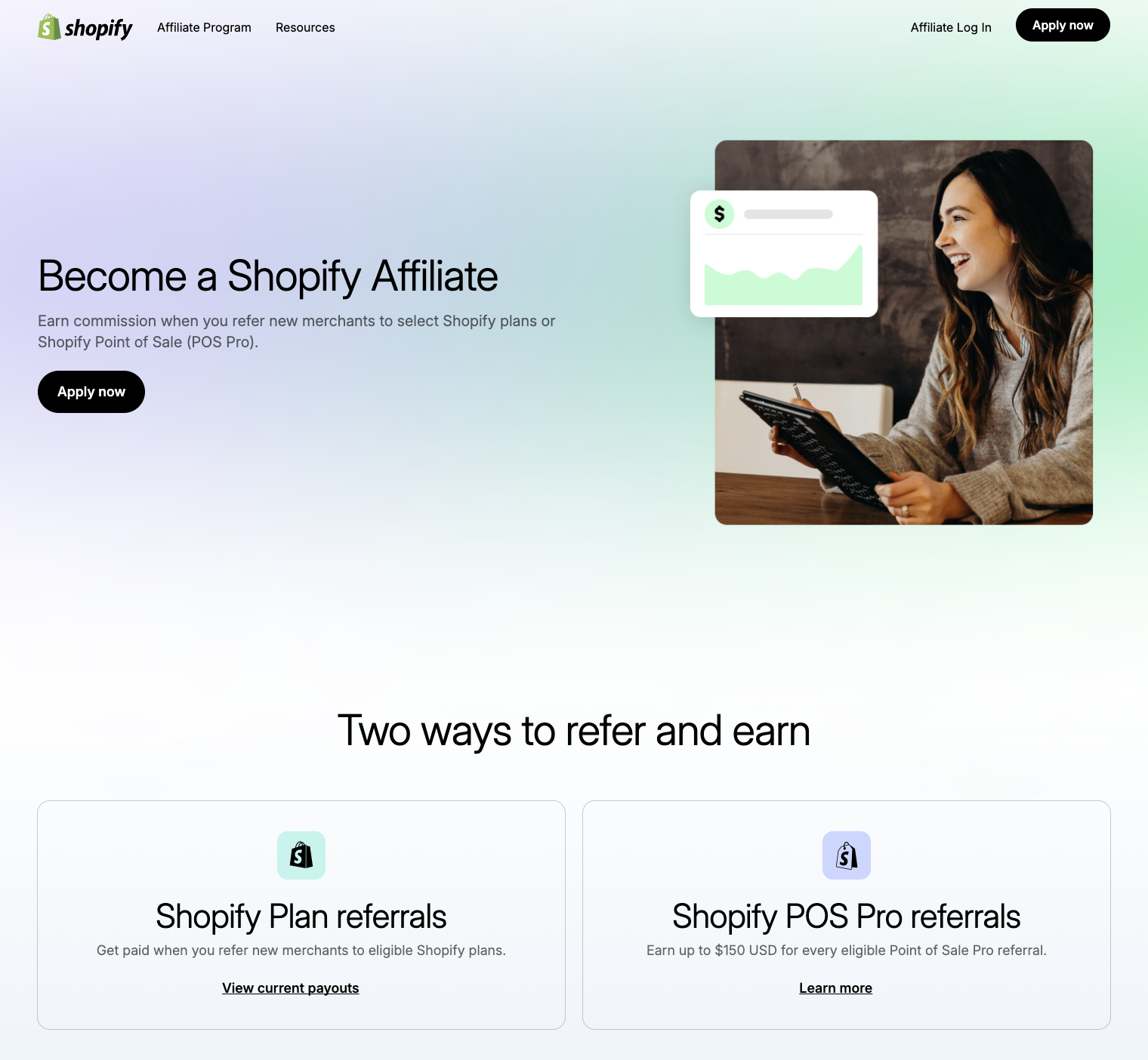 Their landing page clearly displays what’s in it for the affiliate:
- Two ways to refer and earn (Shopify Plan referrals and Shopify POS Pro referrals)
- A big and useful FAQs section
- Listed benefits of working with Shopify
Not only that, they also go on to include a separate page with the detailed description of the eligible for commission referral types, store plan and POS Pro plan commissions.
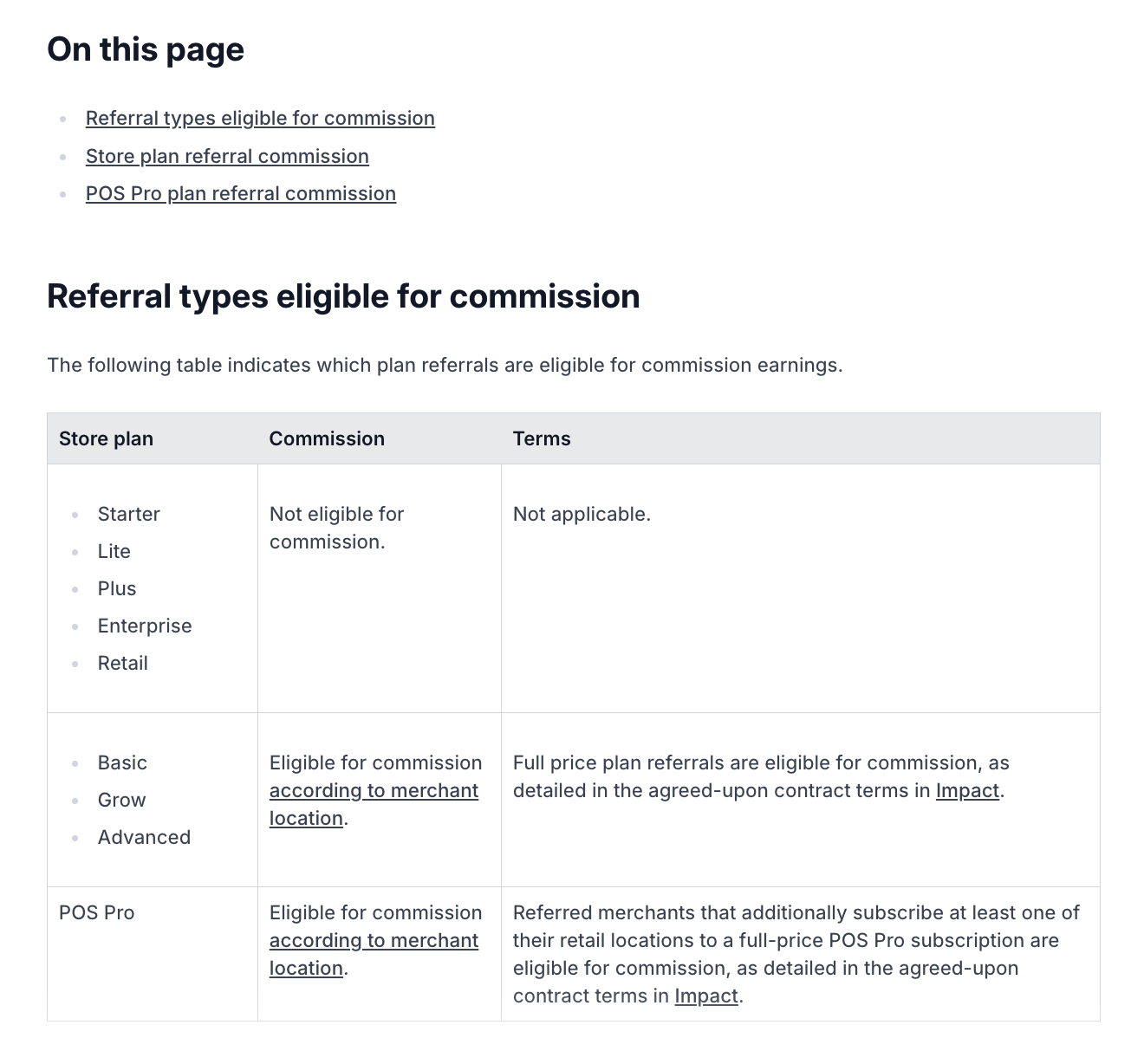 All that to say—put some effort into designing your affiliate landing page.
Start Your Affiliate Program Today For Free
Knowing the best affiliate marketing strategies isn’t enough—you’ve got to implement them. If you don’t already have an affiliate program in place, Trackdesk is the best option to get started.
Click here to sign up for a free trial of Trackdesk and build your affiliate program today.

Bill is a serial entrepreneur, business coach, affiliate marketer, and copywriter with a passion for creating content. When he's not busy beating the Google algorithm, you can find him hiking with his dog, at the gym, or singing karaoke.


